How to upskill in immunisations as a Registered Nurse in Australia
Upskilling and cross-training are not new concepts in healthcare. Nurses have upskilled to help meet the demands of the growing healthcare industry for years. Now, with the changing climate due to a global pandemic and other health crises, it is more important than ever for RNs to upskill in immunisations.
RNs who choose to upskill in immunisations are not only meeting CPD requirements, but they also are expanding their horizons in the healthcare industry. RN immunisers will continue to be in demand thanks to the Queensland government’s Immunisation Strategy. Queensland is committed to making Queenslanders healthy, stressing the importance vaccines and preventative healthcare play in achieving the goal.
What is upskilling?
Upskilling is a common way for RNs and other nursing professionals to advance their careers by learning new and relevant competencies. This goes beyond the usual CPD courses meant to keep nursing skills sharp and ensure RNs are adhering to nursing best practices.
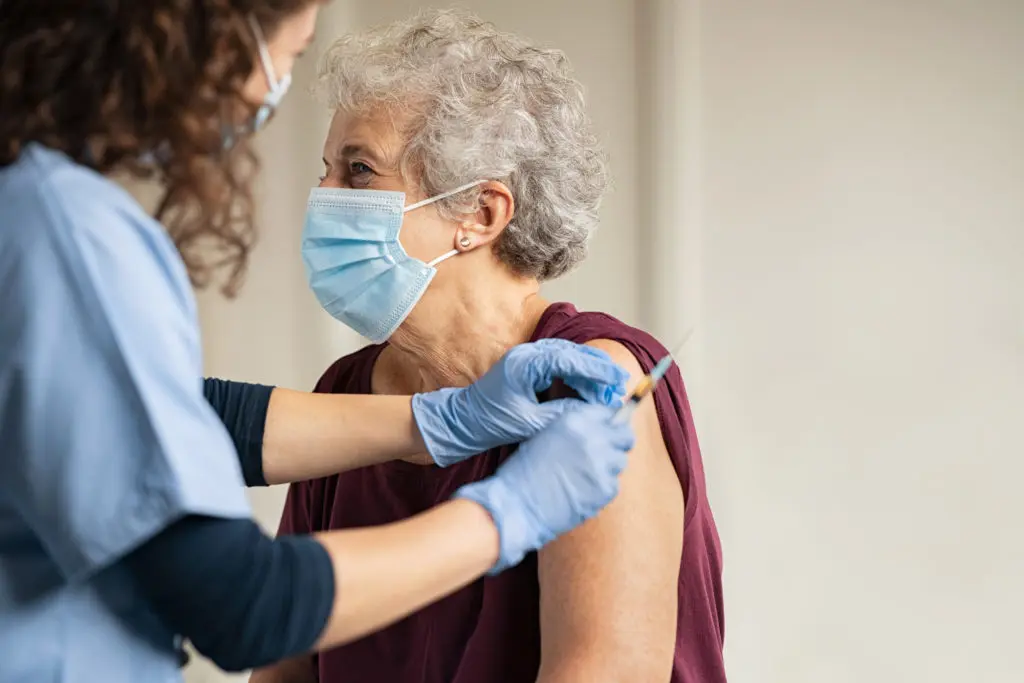
There is a range of innovation options available to RNs who wish to expand their horizons. One such need at present is immunisations. With the world very much still in the grips of the COVID-19 pandemic, there is a growing necessity for healthcare professionals qualified in giving immunisations. To quickly get shots into arms, the Australian government is relying on healthcare professionals trained to administer vaccines and other immunisations.
Benefits of upskilling in immunisations
In addition to helping meet the national need for COVID-19 vaccine administration, there are other benefits for RNs who upskill in immunisations.
One of the biggest advantages is immunization upskilling broadens an RN’s job opportunities. Once they complete training, RN immunisers are approved and qualified to administer numerous vaccines. They can work in community health, general practice, hospitals, local councils, and occupational health services.
How to upskill in immunisations
Before they are permitted to administer vaccines or other immunisations, RNs must complete a board-approved immunisation program. All states have different laws about nurse immunisers. RNs in South Australia, Western Australia, and the Northern Territory are not required to have an Independent Nurse Immuniser qualification. All other states mandate completion of the course. All courses – whether online or in-person – must meet the requirements of the National Immunisation Education Framework for Health Professionals.
In Queensland, an Immunisation Program Nurse (IPN) is authorised to administer all vaccines regulated and approved by Queensland Health. RNs must meet IPN qualifications by completing an immunisation program.
RNs who complete an immunisation training course will learn:
- How to define the importance of immunisation programs on a national and global level
- How the immune system responds to vaccines and diseases they are designed to prevent
- How legal and ethical issues are related to immunisation
- How to analyse immunisation evidence-based practice for achieving safe outcomes
Upskilling for the COVID-19 vaccine
RNs who wish to give the COVID-19 vaccines are required to complete a COVID-19 vaccination education program.
To boost efforts, the Australian Government partnered with the Australian College of Nursing to develop and deliver free accredited training modules available to all nursing professionals. The modules provide guidance on training in the administration, storage, and handling of the COVID-19 vaccines. RNs who sign up for the training can expect training modules categorised into two groups: core and additional. All training is delivered through an online learning platform. Included in the training:
- COVID-19 introduction
- Handling and storage of COVID vaccines
- Communication and purpose
- Multi-dose vial training (for vaccines that require more than one dose for efficacy)
- Documentation and reporting of vaccination efforts
- Safety procedures and monitoring/reporting adverse side effects
There also are training modules specific to individual vaccines currently being used in COVID-19 vaccination efforts:
- Pfizer/BioNTech
- Oxford University/AstraZeneca
- Novavax
- Future vaccines
Committing to quality and excellence in staffing
First Choice Care is committed to providing staffing solutions that exude quality and excellence. RNs upskilled in immunisations who are looking for new opportunities can get in touch to learn how we can help find a new career option that leverages your unique skills.
More articles