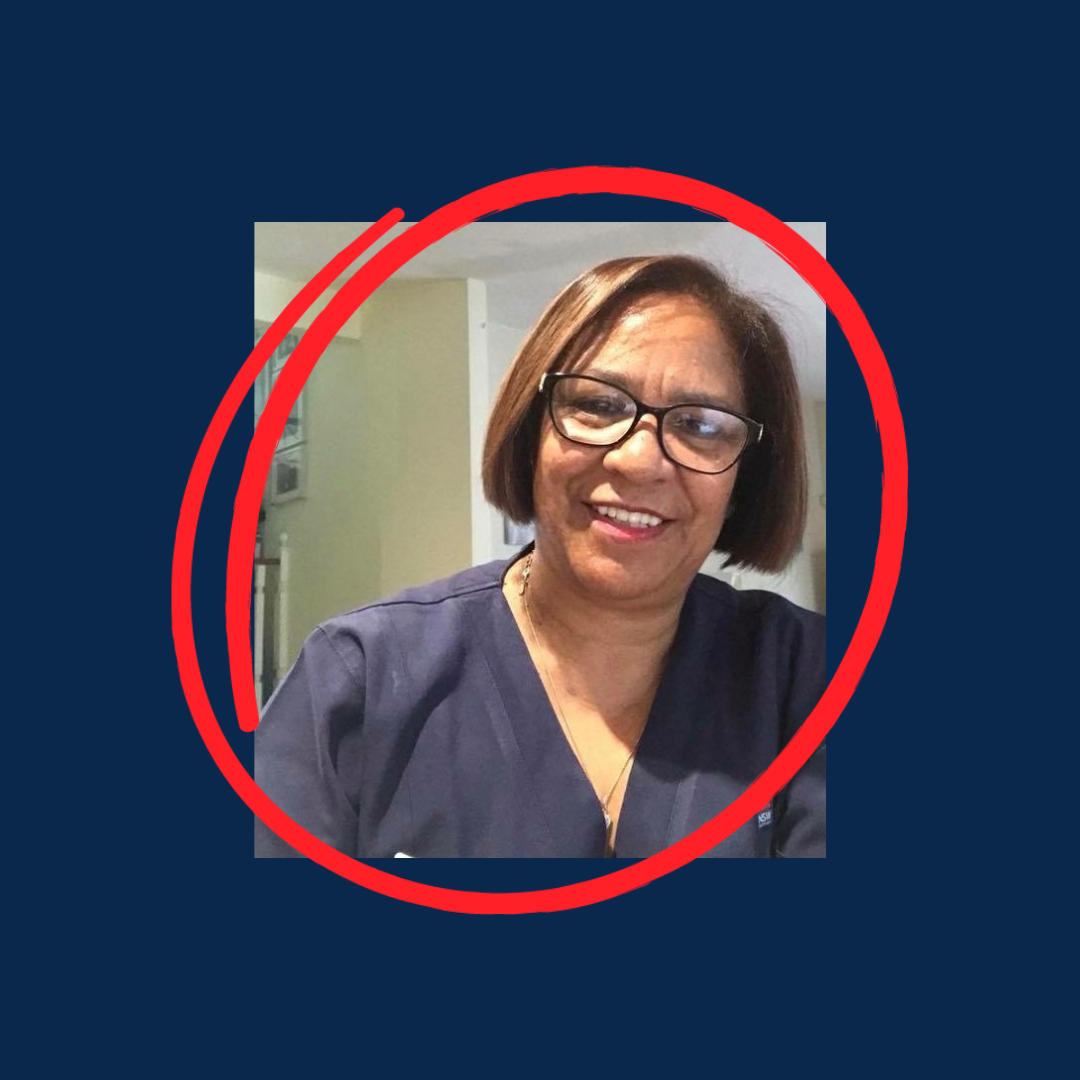
Today, she supports the operational side of Clinical Facilitation while also working closely with facilitators throughout their journey. From understanding their experience and career goals to connecting them with opportunities where they can mentor nursing students, she enjoys being part of a process that helps strengthen the future of healthcare. “I really enjoy connecting with experienced nurses, understanding their skills and career goals, and matching them with opportunities where they can mentor and support nursing students.”
What makes a great Clinical Facilitator?
From Mary's perspective, being a great Clinical Facilitator is about much more than clinical knowledge. While experience and expertise are essential, the ability to support, encourage and inspire students is what truly makes a difference. “The best Clinical Facilitators are approachable, patient and passionate about teaching. They have strong clinical knowledge but, just as importantly, they know how to communicate that knowledge in a way that builds students’ confidence.”
Creating a safe and supportive learning environment is at the heart of effective facilitation. Students should feel comfortable asking questions, seeking guidance and receiving constructive feedback as they develop their skills. Great facilitators lead by example, demonstrating professionalism, compassion and critical thinking while helping students navigate the transition from theory into practice.
Advice for nurses considering Clinical Facilitation
For nurses thinking about moving into facilitation, Mary encourages them to embrace the opportunity. “Facilitation is about much more than supervising placements; it’s about inspiring confidence, sharing your experience, and helping students bridge the gap between theory and practice.”
Every student and every placement is different, which makes the role both rewarding and constantly evolving. She believes that being open to learning, having strong communication skills, and approaching each experience with patience and flexibility are key to succeeding as a facilitator.
Most importantly, nurses shouldn’t underestimate the influence they can have.
A few words of encouragement, a moment of guidance or the confidence given to a student at the right time can have a lasting impact on their nursing career.
Supporting the next generation of nurses
The most rewarding part of Clinical Facilitation, for Mary is seeing the impact great mentors can have.
A great Clinical Facilitator doesn’t just teach clinical skills, they help students build confidence, resilience and their professional identity. “They create a safe and supportive environment where students feel comfortable asking questions, making mistakes and learning from them.”
By recognising that every student learns differently and adapting their approach, Clinical Facilitators help create positive placement experiences that shape the nurses of tomorrow.
Through her work supporting facilitators, she is helping ensure experienced nurses have the opportunity to share their knowledge, inspire future generations and make a lasting difference across healthcare.
Ready to Make a Difference?
Whether you’re looking to share your clinical knowledge, mentor future nurses or take the next step in your nursing career, Clinical Facilitation offers the opportunity to make a lasting impact beyond the bedside.
If you’re an experienced nurse interested in becoming a Clinical Facilitator, we’d love to hear from you.
Explore our current opportunities and discover how you can help shape the future of nursing.