Back to blog

Nurse talks: How to speak with patients and their family
First Choice Care • October 5, 2022
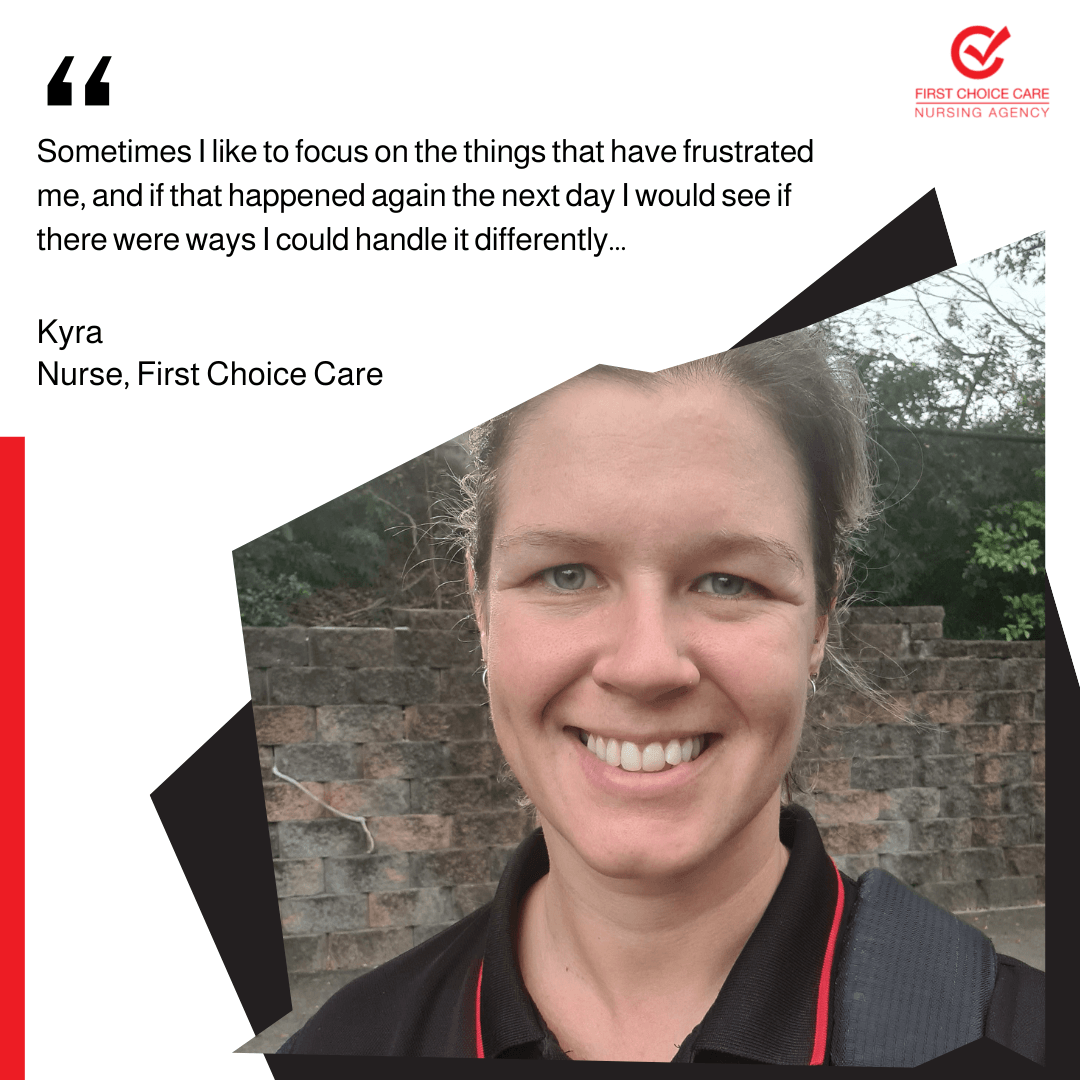
A woman in a black shirt is smiling with a quote behind her.


This week, we had the chance to speak with one of our nurses, Kyra who gave some great insight on how to speak with patients and their family members.


Kyra became a nurse because she likes to keep busy, but also to help and care for people. But other than nursing, Kyra loves to be outside in her free time, whether that’s traveling around, camping, going on a hike, or at the beach.


At FCC, Kyra works within the medical/surgical ward and has a lot of experience when it comes to working with patients and discussing their care plans. Read how Kyra handles challenges on the ward and how she de-stresses from a shift.


How do you explain medication, treatment, or any healthcare situations to a patient without using heaps of medical jargon?


I guess it just comes with experience. I have been a nurse for 10 years and I've always been able to watch what other nurses have done and the way they explain things and just take away that medical jargon. You need to put it in everyday terms for people and use like general conversation. So, either stay away from medical terms or explain if you are going to use any medical terms as well.


I also give the patient plenty of time to ask any questions, sometimes if someone is feeling overwhelmed or haven’t had time to process information, they may have questions later.


How do you handle a difficult situation?


Obviously, keep the tone neutral and calm and ensure that they are happy to have a conversation with you. I will find a private space for the conversation if they want that. Generally, it’s just anxiety for their loved one that can cause people to get frustrated and distressed and sometimes they just need space to have a chat.


What do you do to de-stress?


It’s always good to just reflect. Sometimes a day just catches up to you and by the end, you’re just exhausted. So, sometimes I like to focus on the things that have frustrated me, and if that happened again the next day I would see if there were ways, I could handle it differently or if it was something external and something I could not change how just kind of unpack that.


What do you like most about being an agency nurse?


I like the flexibility in the times that I can work and just being able to take holidays when I need. I also like to move around in different areas of nursing and do different things.


What is your favourite thing about working with us at FCC and do you have any memorable moments?


The staff are so lovely and remember you by name and will ask about something you talked about in a previous conversation with them or just personal life in general.


It was kind of a memorable moment for me when I got the chance to work at a vaccination clinic a couple years ago. I was able to contribute to the COVID-19 vaccinations during COVID which was something different. I’ve also done some work as a school nurse through the agency which I found very interesting, and I wouldn’t have had access to this role as easily without the agency.


If you're working with us and want to get involved in our next Nurse Talks please get in contact with us at marketingHC@peoplein.com.au.


For anyone interested in joining us you can apply now

More articles

May 12, 2026
What Flexible Nursing Means: Casual and Agency Nursing Explained Flexible work in nursing typically includes casual and agency roles, both of which give nurses greater control over their schedules. Casual nursing allows nurses to pick up shifts around personal commitments such as family life, study or travel. Agency nursing offers short-term and contract roles across a variety of healthcare settings, providing even greater flexibility and exposure to different clinical environments. There are common misconceptions about flexible nursing. Some believe these roles lack stability or consistency, while others assume they limit career progression. In reality, many nurses use flexible work to build schedules that suit their lifestyle. Working across multiple healthcare settings can also strengthen clinical capability, broaden experience and enhance employability. Benefits of Flexible Nursing for Work-Life Balance One of the key advantages of flexible nursing is improved work-life balance. Nurses can choose shifts that align with their personal priorities, whether that includes family commitments, study, travel or increased rest time. In addition, exposure to different healthcare environments helps build diverse clinical experience, expand skill sets and strengthen professional confidence. Moving Between Clinical Agency and Facilitation Roles in Nursing Flexible nursing can also support meaningful career progression over time. Many nurses begin in clinical agency roles to gain experience across a range of healthcare settings and build confidence in varied environments. From there, some progress into more specialised positions, including clinical nurse facilitation, where they support, mentor and guide other nurses in practice. Through First Choice Care, nurses can access opportunities across both metro agency roles and clinical nurse facilitation pathways, with the ability to move between them depending on experience, demand and goals. Challenges of Flexible Nursing (and How to Manage Them) While flexible nursing offers significant benefits, it also comes with considerations. Shift availability can vary, so planning ahead is important to maintain consistency in both income and scheduling. Working across different healthcare settings also requires adaptability, as nurses may need to quickly adjust to new teams, systems and processes. With the right planning and support, these challenges can be effectively managed, allowing nurses to fully benefit from the flexibility this career path offers. How to Take Control of Your Nursing Schedule Taking control of your schedule starts with understanding your priorities and setting clear boundaries around work. This includes identifying non-negotiables such as preferred days off, income goals and the types of shifts or locations that best suit your lifestyle. Casual and agency work allows nurses to build a schedule based on choice rather than fixed rostering. Over time, this approach supports a more balanced and intentional way of working, giving nurses greater ownership of both their time. The Future of Flexible Nursing in Australia The future of nursing is increasingly centred around flexibility, driven by ongoing workforce shortages and a stronger focus on wellbeing, retention and sustainability. Healthcare systems are evolving towards more adaptable workforce models, supported by digital rostering and shift management technology. These developments make it easier for nurses to choose when and where they work while still meeting service needs. As this continues to grow, flexible nursing is expected to become a core component of the healthcare workforce, offering greater autonomy, improved job satisfaction and long-term career sustainability. Find Flexible Nursing Opportunities with First Choice Care. Explore casual agency and clinical facilitation nursing opportunities here: https://www.firstchoicecare.com.au/all-jobs
Headshot of a person with dark hair, framed by a red hand-drawn circle on a blue background
May 7, 2026
Celebrate First Choice Care’s Nurse of the Month, Arni, and learn how flexibility, positivity, and compassionate care make a difference in every shift.
Smiling woman in a brown blazer, circled in red against a light blue background
April 23, 2026
Learn about Kelly’s journey from nursing into Clinical Nurse Facilitation at First Choice Care, including her insights on supporting students, key facilitator qualities, and advice for nurses considering a career in clinical facilitation.
More Posts