Back to blog

How to pick the right nursing specialty based on your personality | First Choice Care

First Choice Care • May 23, 2022
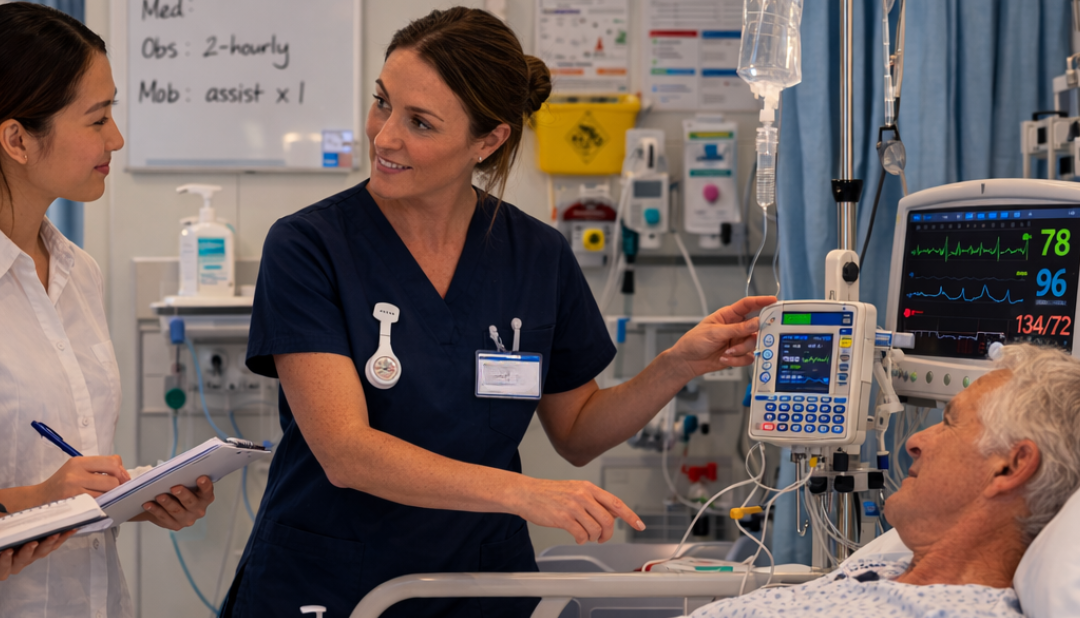
A doctor and nurse are working on a patient in a hospital room.

We recently discussed the importance of specialist nurses, highlighting some of the various roles on offer at First Choice Care. Now, we want to guide you on how one might come to the decision of what to specialise in. Whether you’re a new graduate or someone who has worked in the healthcare and nursing profession for a few years, we hope that this blog can provide some guidance in where to take your career to next.


The question at the heart of this piece is, how do I choose a nursing speciality? There are several nursing specialities to choose from, some being patient-focused, while others are management-related and research-focused. Each speciality comes with its own pace and environment. With so many nursing specialties available, to find the right fit for you, consider each role and the environment, as well as your own personality traits which may align with aspects of the job.


Matching your preferred environment to work in with a nursing speciality


Consider the environment you would feel most comfortable working in. How do you like to engage with people? Are you someone who enjoys working closely with patients, or would you prefer to be away from the bedside? There are a range of nursing specialities that you can use your clinical knowledge without having to engage directly with patients.


Nursing specialities away from the bedside:


  • Nursing education
  • Case management
  • Infection prevention and control

Nursing specialities involving close patient care:

  • Emergency
  • Critical care (ICU)
  • Coronary Care Unit (CCU)


Matching your personality traits to a nursing speciality


One of the best ways to determine if a nursing role is the right fit for you, is to understand your own traits and match them! Here we have listed just a few nursing specialties and how they can interlace with a nurse’s personality traits:


  • Do you like expecting the unexpected? Enjoy a challenge and thrive on an adrenaline rush? It sounds like you would be comfortable in a trauma centre or the emergency department.
  • Are you compassionate? Have a nurturing nature? Would you be willing to support women through a pregnancy and during birth? Midwifery is most likely a great fit for you.
  • Maybe you enjoy influencing or teaching other nurses? Are you encouraging? Would you like being in a supportive role where you can help nurses around you? You could be a great Clinical educator.
  • Wanting to engage with patients of all ages? Do you want to diagnose, treat and educate? Become a Family Nurse Practitioner.
  • Are you a nurse who loves knowing absolutely everything about a patient? If a new symptom arises do you want to investigate and determine the diagnosis, identifying which meds may be causing the BP fall or rise? Critical Care would be the perfect place for you.


Choosing a Nursing Speciality: A common misconception


There is the common misconception that once you pick a nursing speciality, you must stick to it. This is false! While some nurses stay in their role for many years, others like to keep learning and change into different roles. Just because you’ve put in the work to get into your speciality, don’t feel like you have to stay in that area of nursing for the rest of your life. That is the wonderful thing about nursing, there are so many career opportunities, and you can change at any stage.


If you find that you are losing your spark, sometimes a change of scenery is all you need. At First Choice Care, we offer Remote and Rural nursing which allows you to take yourself to new and exciting places. Work in areas and hospitals you’ve never been in and meet amazing people. You’ll also receive exclusive benefits, housing allowances and enjoy the freedom of not having to be involved with the politics of a department. A great option to explore before deciding if you need to make the switch in your speciality!


So, come and find your dream nursing role with us here at First Choice Care. If you’re looking to change into any of the nursing specialities listed in this blog, be sure to check out our job board, paying close attention to the requirements of the role. There you’ll find some of the key actions needed to make a shift in your nursing career. You can also check out some of the courses on offer with our education partners here should you require to hit the books.

More articles

May 28, 2026
Discover four simple app features that help you stay visible, pick up more shifts, and never miss an opportunity. Tips from the First Choice Care team
Smiling customer service agent in a headset at a computer in an office
May 27, 2026
Learn how to manage last-minute shift gaps without compromising patient care. Discover practical healthcare staffing strategies from First Choice Care.
May 12, 2026
What Flexible Nursing Means: Casual and Agency Nursing Explained Flexible work in nursing typically includes casual and agency roles, both of which give nurses greater control over their schedules. Casual nursing allows nurses to pick up shifts around personal commitments such as family life, study or travel. Agency nursing offers short-term and contract roles across a variety of healthcare settings, providing even greater flexibility and exposure to different clinical environments. There are common misconceptions about flexible nursing. Some believe these roles lack stability or consistency, while others assume they limit career progression. In reality, many nurses use flexible work to build schedules that suit their lifestyle. Working across multiple healthcare settings can also strengthen clinical capability, broaden experience and enhance employability. Benefits of Flexible Nursing for Work-Life Balance One of the key advantages of flexible nursing is improved work-life balance. Nurses can choose shifts that align with their personal priorities, whether that includes family commitments, study, travel or increased rest time. In addition, exposure to different healthcare environments helps build diverse clinical experience, expand skill sets and strengthen professional confidence. Moving Between Clinical Agency and Facilitation Roles in Nursing Flexible nursing can also support meaningful career progression over time. Many nurses begin in clinical agency roles to gain experience across a range of healthcare settings and build confidence in varied environments. From there, some progress into more specialised positions, including clinical nurse facilitation, where they support, mentor and guide other nurses in practice. Through First Choice Care, nurses can access opportunities across both metro agency roles and clinical nurse facilitation pathways, with the ability to move between them depending on experience, demand and goals. Challenges of Flexible Nursing (and How to Manage Them) While flexible nursing offers significant benefits, it also comes with considerations. Shift availability can vary, so planning ahead is important to maintain consistency in both income and scheduling. Working across different healthcare settings also requires adaptability, as nurses may need to quickly adjust to new teams, systems and processes. With the right planning and support, these challenges can be effectively managed, allowing nurses to fully benefit from the flexibility this career path offers. How to Take Control of Your Nursing Schedule Taking control of your schedule starts with understanding your priorities and setting clear boundaries around work. This includes identifying non-negotiables such as preferred days off, income goals and the types of shifts or locations that best suit your lifestyle. Casual and agency work allows nurses to build a schedule based on choice rather than fixed rostering. Over time, this approach supports a more balanced and intentional way of working, giving nurses greater ownership of both their time. The Future of Flexible Nursing in Australia The future of nursing is increasingly centred around flexibility, driven by ongoing workforce shortages and a stronger focus on wellbeing, retention and sustainability. Healthcare systems are evolving towards more adaptable workforce models, supported by digital rostering and shift management technology. These developments make it easier for nurses to choose when and where they work while still meeting service needs. As this continues to grow, flexible nursing is expected to become a core component of the healthcare workforce, offering greater autonomy, improved job satisfaction and long-term career sustainability. Find Flexible Nursing Opportunities with First Choice Care. Explore casual agency and clinical facilitation nursing opportunities here: https://www.firstchoicecare.com.au/all-jobs
More Posts