Back to blog

Nurse Talks: Nursing behind bars

First Choice Care • January 24, 2023
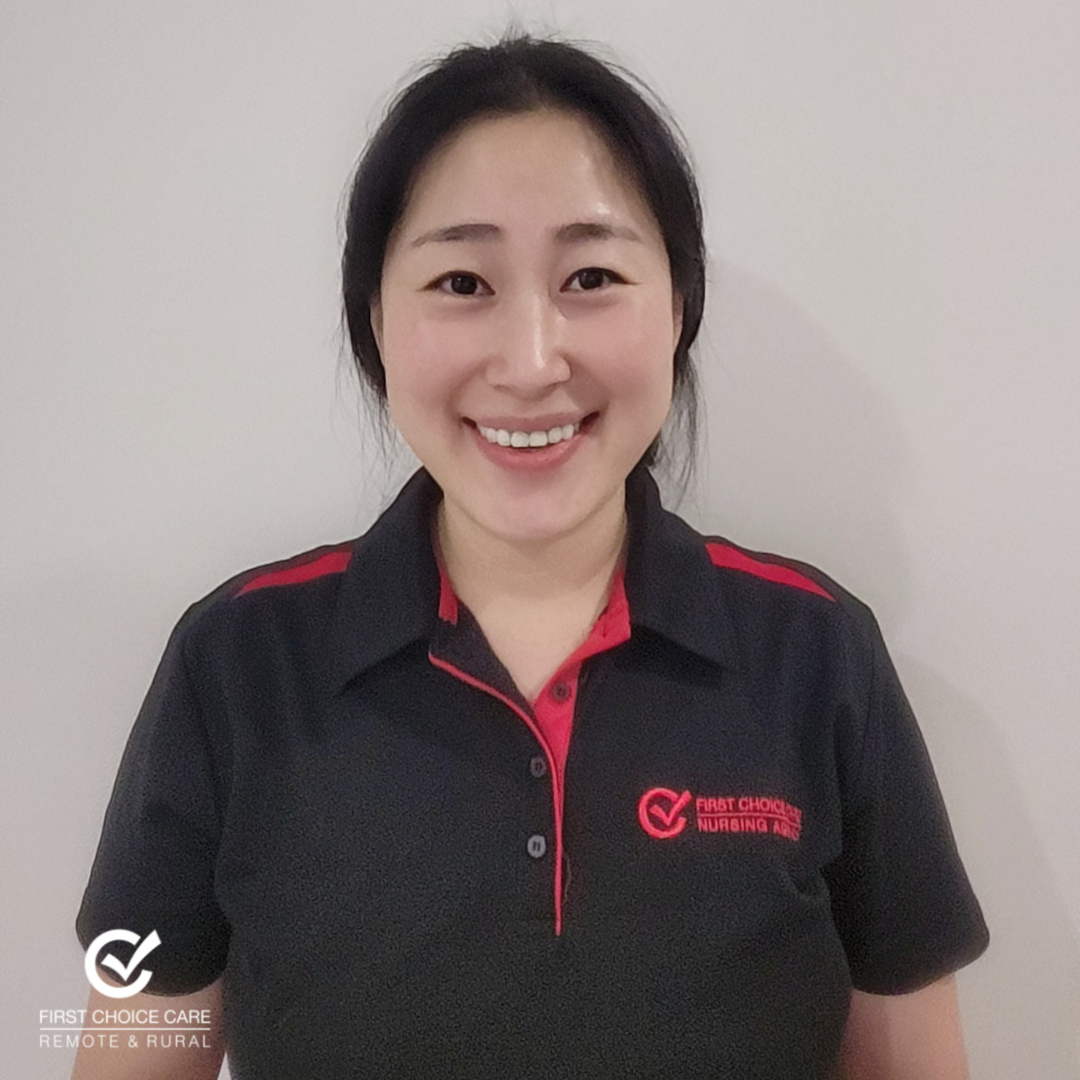
A woman wearing a black shirt with a red check mark on it


We sat down with one of our very own Prison Health Registered Nurses (RN), Lee, who shared what it's like nursing behind bars. 


Lee graduated with her nursing degree in 2016 and with only a few years of experience, she worked on the frontlines during the COVID-19 pandemic. She joined us in September last year and with her experience has been an asset to the First Choice Care team. 


With Lee's background being predominately in primary health, she has flourished in her role as a Prison Health RN, ensuring those within our prison system continue to receive their healthcare needs. 


What was it like working on the frontlines as a fairly new nurse?


It was hard, but also very rewarding. I think at the beginning I was a bit nervous being on the frontline, but in the end, you just have to do what you can. I was able to experience many different jobs throughout the pandemic, including isolation hotels, taking COVID samples and working in drive through clinics, processing the samples as well as work in vaccinations hubs. 


Explain a day in the life of a Prison Health RN? 


I am still fairly new to the role, but I have worked in male prisons as well as one female prison. As a prison health nurse, I have daily tasks including medication preparation and rounds, tending to medical requests such as dental pain, injuries and mental health concerns. Often my role is conducting a patient assessment and connecting patients to the right healthcare professionals, such as a Nurse Practitioner or Doctor, the mental health team, opioid substance therapy team or even reviewing the patient's medical treatment. 


Sometimes nurses must attend to medical emergencies, and we will follow protocol to address the situation. Luckily, I haven’t had any extreme emergencies since working as a prison health nurse. 


What is the most interesting thing about being a prison health nurse?  


While we have our daily tasks, no day is ever the same. There is always a variety of situations which keeps my job interesting, so I always get to learn something new on a shift.   


What is your favourite thing about being an agency nurse with FCC? 


The main thing would be that I can put my own availability down for shifts and schedule my work with my life. I try to put my availability down to work 4 days a week, but I don’t always have to work that if I don’t want to. 

The First Choice Care team is great. They ask me what I prefer, and they never push me to do anything I am not comfortable with. 


What do you like getting up to outside of work?


I like to walk my dogs, get the groceries done and stay at home with my husband. 


Can you name 3 valuable skills you've gained since working as a Prison Health RN? 


  1. Time management 
  2. Decision making skills 
  3. Effective communication skills. 


Communicating with prisoners 


It’s much more straightforward than most think. I like to go through the medical situation point by point with patients. It’s like working in any other medical facility. You don’t see patients as prisoners, and you support them as you would in the outside world. 


Would you recommend prison work to your fellow nurses? If so, what advice would you give.  


Yes, and I would say don’t be afraid to ask for help in your role. The nurses I work with are approachable and willing to help, we all stay positive and look after each other. 


If you're working with us and want to get involved in our next Nurse Talks please get in contact with us at marketingHC@peoplein.com.au.


For anyone interested in joining us you can apply now

More articles

May 12, 2026
What Flexible Nursing Means: Casual and Agency Nursing Explained Flexible work in nursing typically includes casual and agency roles, both of which give nurses greater control over their schedules. Casual nursing allows nurses to pick up shifts around personal commitments such as family life, study or travel. Agency nursing offers short-term and contract roles across a variety of healthcare settings, providing even greater flexibility and exposure to different clinical environments. There are common misconceptions about flexible nursing. Some believe these roles lack stability or consistency, while others assume they limit career progression. In reality, many nurses use flexible work to build schedules that suit their lifestyle. Working across multiple healthcare settings can also strengthen clinical capability, broaden experience and enhance employability. Benefits of Flexible Nursing for Work-Life Balance One of the key advantages of flexible nursing is improved work-life balance. Nurses can choose shifts that align with their personal priorities, whether that includes family commitments, study, travel or increased rest time. In addition, exposure to different healthcare environments helps build diverse clinical experience, expand skill sets and strengthen professional confidence. Moving Between Clinical Agency and Facilitation Roles in Nursing Flexible nursing can also support meaningful career progression over time. Many nurses begin in clinical agency roles to gain experience across a range of healthcare settings and build confidence in varied environments. From there, some progress into more specialised positions, including clinical nurse facilitation, where they support, mentor and guide other nurses in practice. Through First Choice Care, nurses can access opportunities across both metro agency roles and clinical nurse facilitation pathways, with the ability to move between them depending on experience, demand and goals. Challenges of Flexible Nursing (and How to Manage Them) While flexible nursing offers significant benefits, it also comes with considerations. Shift availability can vary, so planning ahead is important to maintain consistency in both income and scheduling. Working across different healthcare settings also requires adaptability, as nurses may need to quickly adjust to new teams, systems and processes. With the right planning and support, these challenges can be effectively managed, allowing nurses to fully benefit from the flexibility this career path offers. How to Take Control of Your Nursing Schedule Taking control of your schedule starts with understanding your priorities and setting clear boundaries around work. This includes identifying non-negotiables such as preferred days off, income goals and the types of shifts or locations that best suit your lifestyle. Casual and agency work allows nurses to build a schedule based on choice rather than fixed rostering. Over time, this approach supports a more balanced and intentional way of working, giving nurses greater ownership of both their time. The Future of Flexible Nursing in Australia The future of nursing is increasingly centred around flexibility, driven by ongoing workforce shortages and a stronger focus on wellbeing, retention and sustainability. Healthcare systems are evolving towards more adaptable workforce models, supported by digital rostering and shift management technology. These developments make it easier for nurses to choose when and where they work while still meeting service needs. As this continues to grow, flexible nursing is expected to become a core component of the healthcare workforce, offering greater autonomy, improved job satisfaction and long-term career sustainability. Find Flexible Nursing Opportunities with First Choice Care. Explore casual agency and clinical facilitation nursing opportunities here: https://www.firstchoicecare.com.au/all-jobs
Headshot of a person with dark hair, framed by a red hand-drawn circle on a blue background
May 7, 2026
Celebrate First Choice Care’s Nurse of the Month, Arni, and learn how flexibility, positivity, and compassionate care make a difference in every shift.
Smiling woman in a brown blazer, circled in red against a light blue background
April 23, 2026
Learn about Kelly’s journey from nursing into Clinical Nurse Facilitation at First Choice Care, including her insights on supporting students, key facilitator qualities, and advice for nurses considering a career in clinical facilitation.
More Posts